
Okay, so check this out—browser wallets used to feel like loose change in a back pocket. Short. Clunky. Risky. Whoa! Rabby Wallet changed that vibe for a lot of people. At first glance it’s another extension. But dig a little and you’ll see design choices aimed at traders and power users who want more control without turning every transaction into a guessing game.
My instinct said: "something felt off about one-click approvals" the first time I audited extension behavior. Hmm... then I dug into permission patterns, UX flows, and common attack vectors. Initially I thought all wallets were roughly the same, though actually Rabby’s approach to permissioning, gas controls, and transaction previews stands out. On one hand, it simplifies common tasks; on the other, it forces the user to confront details that many other wallets hide—so you either get smarter or get annoyed. I'm biased, but I prefer the smarter route.
Short note: this isn't a how-to. This is a close look at design, trade-offs, and realistic security posture. Really? Yes. And no, I won't say it's perfect. There are nuances.
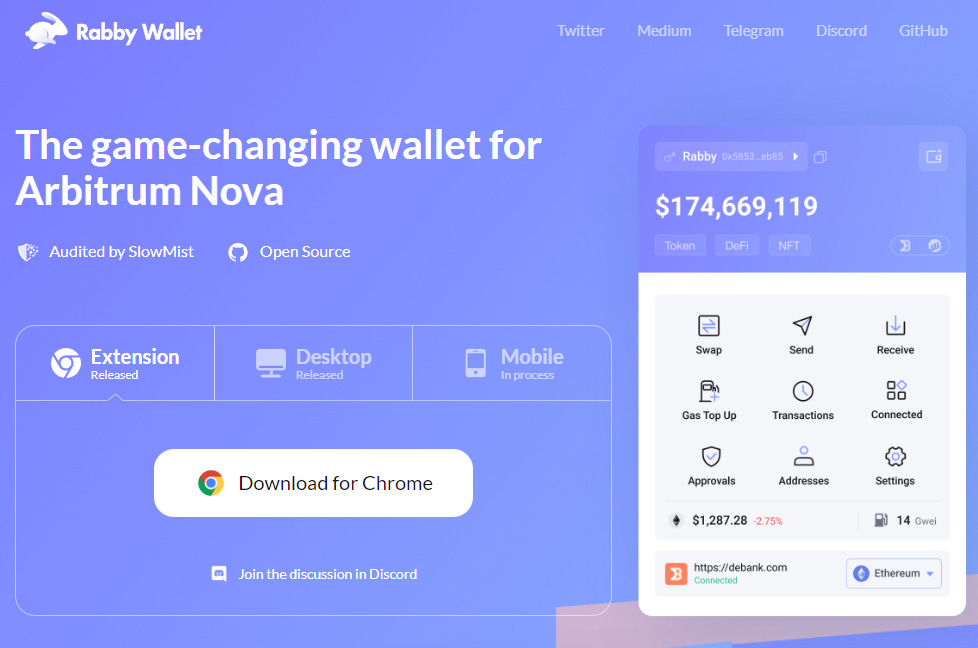
What Rabby Wallet Does Differently
Rabby’s UI centers on visibility. It shows contract call details more openly than traditional wallets. That matters. Medium-length transactions that hide which token and which contract will be affected are a common attack surface. Rabby forces a pause—an explicit review step—so you see method names, token addresses, and gas breakdowns before confirming. This matters for users who interact with DeFi protocols often, because bad interactions usually happen when people rush through approvals.
There’s also an emphasis on session and approval management. You can revoke approvals more easily than via on-chain explorers, and you get reminders about lingering unlimited approvals. Really useful. On the other hand, the revocation itself still depends on on-chain transactions, so if you want immediate security you’re still paying gas. That trade-off is real.
One practical tip: if you’re worried about token approvals, set them to limited amounts when possible. Rabby makes that less painful. But remember—limited approvals still mean the contract can drain the approved amount if it’s malicious. Nothing’s magic here.
Why does this matter? Because most compromises in DeFi don’t come from "breaking the wallet" but from users approving malicious contracts or signing deceptive transactions. Rabby addresses the human element by making those decisions slightly harder to mess up.
Also: extension isolation. Rabby runs as a browser extension like others, and that brings the usual pros and cons. It’s convenient. It’s slightly fragile. Your browser ecosystem matters—a compromised browser extension or compromised machine still spells trouble.
Security Features (and Limits) — a pragmatic read
Rabby offers transaction simulation and clearer gas management. Those are helpful because they reveal if a transaction will fail or do something unexpected, before you hit confirm. There’s also multi-account support and hardware wallet integrations, which are basic hygiene for power users. Seriously? Yes—hardware combos reduce attack surface for signing operations.
But caveat: integrations are only as safe as their configuration. A hardware device paired with a compromised extension or malicious web page can still trick you into signing dangerous transactions if you don't inspect the payload. Initially I assumed the hardware sign-off solved everything; actually, wait—let me rephrase that—hardware lowers risk substantially, but you still must read what you sign.
On the technical side, Rabby emphasizes minimal permission scopes and explicit confirmations. That reduces accidental exposures. On the social side, it nudges users toward smart habits, which is often more impactful than any single cryptographic feature.
Here's what bugs me: many users skip the deeper fields. They click through because markets move fast. Rabby helps by surfacing the relevant bits, but you still need the discipline to inspect. (oh, and by the way...) keep a small "hot" wallet for trading and a cold one for saving long-term value. It’s not novel advice, but it works.
How to Evaluate Rabby—and any extension wallet—like a pro
First, check the code provenance and community reputation. Look for audit reports, GitHub activity, and clear changelogs. Second, limit approvals and prefer hardware signing for significant amounts. Third, practice on small amounts before you commit large sums. These are practical steps that reduce pain and loss.
Initially I thought users would automatically do this. On the contrary, the common path is impatience and overconfidence—until something goes wrong. So build small rituals: verify domain, check contract address, double-check amounts. Do this until it becomes reflexive. Seriously, your future self will thank you.
For the impatient: Rabby provides clearer transaction previews which shorten the time-cost of safe behavior. That reduces friction for good security practices. But remember: it only nudges. It doesn't babysit. You still gotta look.
If you want to try Rabby and see the UX yourself, you can find the official download page here: https://sites.google.com/cryptowalletextensionus.com/rabby-wallet-download/ —use a fresh browser profile when testing, and start with tiny transactions.
Common Questions
Is Rabby safer than MetaMask?
Short answer: different trade-offs. Rabby emphasizes visibility and granular approval management, which reduces certain user-driven risks. MetaMask has broader adoption and ecosystem entrenchment. Neither is inherently invincible; both require cautious use, especially around approvals and phishing sites.
Can I use Rabby with a hardware wallet?
Yes. Using a hardware wallet for signing is one of the best ways to keep large balances secure while using an extension for convenience. But—big but—you must still verify the transaction details shown on the hardware device when possible.
What should I do if I spot a suspicious approval?
Revoke approvals immediately (Rabby makes this easier), move assets to a cold wallet, and if funds were moved, consult explorers and community channels. Prevention is better—practice limited approvals and market-ready habits.